Analyzing Loyalty Program Interoperability in Platforms That Unite Reel Spinning and Card Game Elements Under Varying Regulatory Frameworks
Jonas Ludwig · Oct 27, 2026
Analyzing Loyalty Program Interoperability in Platforms That Unite Reel Spinning and Card Game Elements Under Varying Regulatory Frameworks
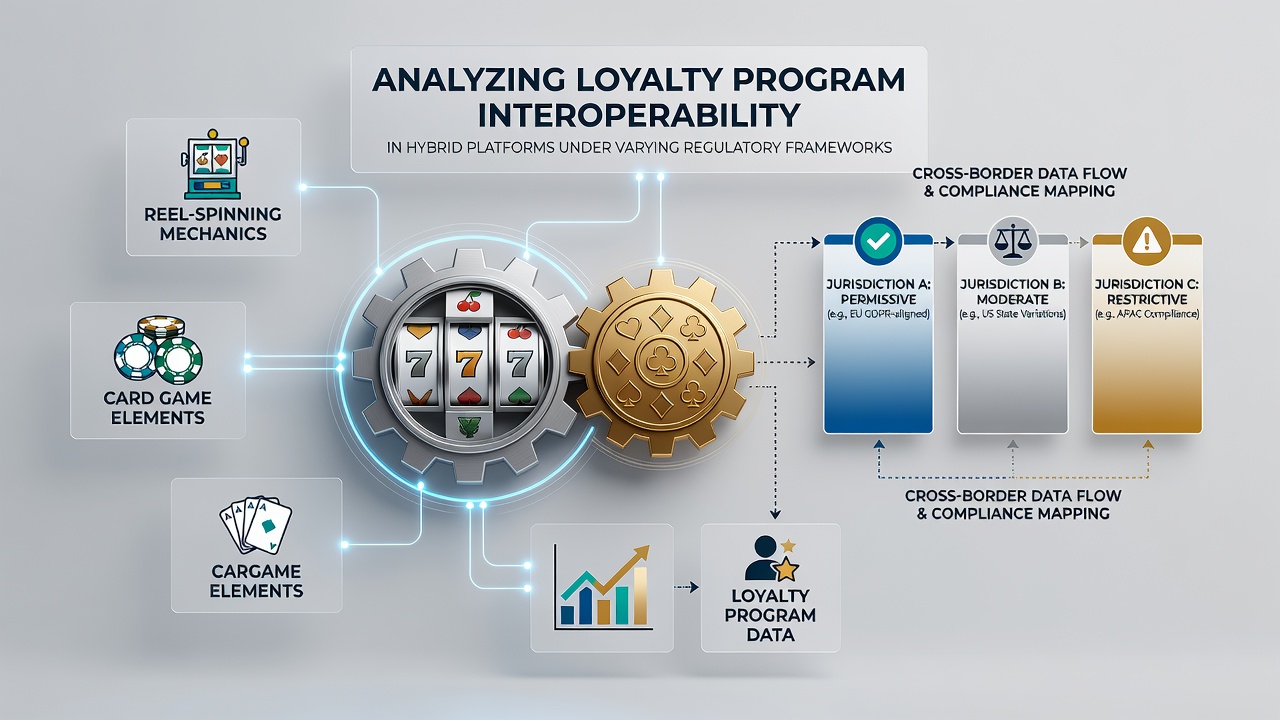
Platforms that combine reel spinning mechanics with card game variants have expanded their reach across multiple jurisdictions, and loyalty program interoperability has become a central technical requirement for operators seeking to maintain unified reward systems. Data from October 2026 shows that several markets reported increased integration between slot-based reward ledgers and table game point accumulation modules, driven by player demand for seamless credit transfers. Regulatory frameworks in different regions impose distinct data handling rules that affect how these unified systems operate, particularly around cross-game point validation and redemption protocols.
Regulatory Variations Across Key Markets
North American jurisdictions apply differing standards to loyalty data flows, with some states requiring separate tracking databases for reel and card segments while others permit merged ledgers under strict audit trails. European frameworks, by contrast, emphasize consumer data portability that allows points earned on one game type to transfer to another without mandatory resets. Observers note that operators must adjust their backend architecture when expanding into new regions because compliance teams demand region-specific encryption layers and consent logs that align with local statutes. And in parts of Asia, centralized reporting systems require real-time synchronization between hybrid game modules and government oversight portals, which adds latency considerations to loyalty calculations.
Technical Integration Challenges
Developers face the task of mapping reel spin multipliers to card hand rankings within a single loyalty engine, and this requires standardized APIs that accommodate both random number generator outputs and strategic decision trees. Research indicates that successful implementations use event-driven architectures where a spin outcome or a poker fold triggers an immediate point update across the shared user profile. Those who maintain these systems often discover that legacy reel platforms store data in fixed increment blocks whereas card tables log variable bet sizes, creating conversion tables that must update dynamically to prevent point discrepancies during player sessions.
Interoperability Protocols in Practice
Industry reports highlight the use of token-based ledgers that assign universal value units to both reel bonuses and card game comps, allowing players to move accumulated credits between game categories without manual intervention. One study revealed that platforms adopting these tokens reduced redemption processing times by linking directly to payment gateways used across multiple game formats. What's interesting is how regulatory audits examine these token exchanges for fairness, requiring operators to document the algorithms that equate a jackpot reel hit with a high-stakes blackjack payout in terms of loyalty value. And yet the same frameworks often leave room for operators to apply regional multipliers that adjust point worth based on local tax obligations or responsible gaming caps.

Take one operator that expanded from reel-focused markets into card game hybrids in 2025 and found that their original point system required a complete rewrite to handle the probabilistic differences between automated spins and player-driven decisions. Experts have observed that such rewrites frequently incorporate machine learning models trained on historical play data to predict optimal point conversion rates that satisfy both player expectations and regulatory scrutiny. Those who've studied this know that maintaining audit logs for every conversion event becomes essential when jurisdictions demand proof that no player receives disproportionate advantages from cross-game transfers.
Emerging Standards and Data Exchange Methods
Trade associations have begun publishing voluntary guidelines that outline minimum requirements for loyalty data exchange formats, and these documents encourage the adoption of JSON-based schemas that carry metadata about game origin and regulatory jurisdiction. According to figures from a North American gaming association, platforms that aligned with these schemas experienced fewer compliance delays during cross-border expansions. But here's the thing: even with standardized schemas, operators still negotiate separate agreements with each regulatory body because some regions prohibit certain types of point aggregation that others permit without restriction. Researchers discovered that these negotiations often center on encryption standards and retention periods rather than the core interoperability logic itself.
Future Considerations for Platform Operators
Analysts tracking October 2026 developments report that several hybrid platforms are testing blockchain-anchored loyalty records to provide immutable trails that multiple regulators can review simultaneously. This approach addresses concerns about data tampering while preserving the ability to move points between reel and card environments without duplicating entries. Evidence suggests that such testing remains limited to pilot programs in jurisdictions that already allow digital asset representations in gaming contexts. Observers note that scaling these pilots will require further alignment between technical teams and legal departments to ensure every jurisdiction's data sovereignty rules remain intact during point transfers.
Conclusion
Interoperability in loyalty programs for hybrid reel and card platforms continues to evolve under the pressure of divergent regulatory demands, and successful implementations rely on flexible architectures that accommodate both technical and legal constraints. Data exchange methods, token systems, and audit protocols form the backbone of these unified environments, while regional variations dictate the precise implementation details. Operators that navigate these layers effectively maintain consistent player experiences across game types even as compliance requirements shift from one market to the next.